Long-Short Term Interest Rate Spread
A phenomenon where short-term interest rates are higher than long-term rates. In other words, the yield on shorter-maturity bonds becomes higher than the yield on longer-maturity bonds. Generally, in the bond market, the longer the borrowing period, the higher the interest rate; however, when long-term and short-term government bond yields invert, it is judged as a precursor to an economic recession.
The focus is usually on the difference between the 10-year and 2-year yields.
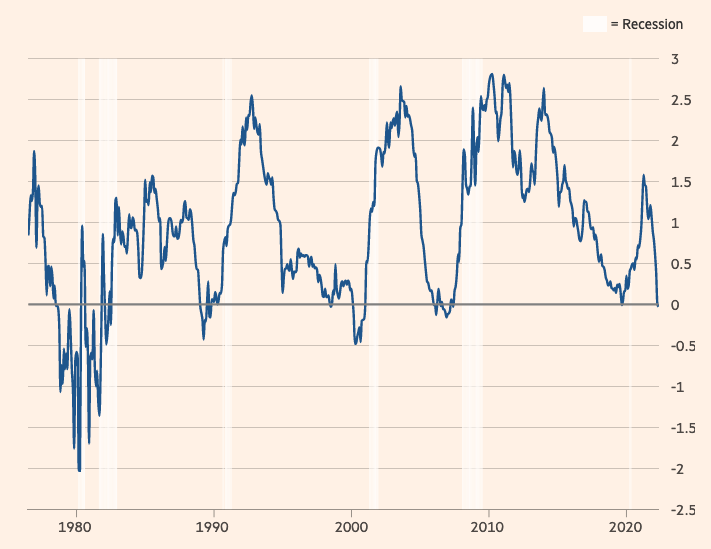
Long-Short Term Interest Rate Spread
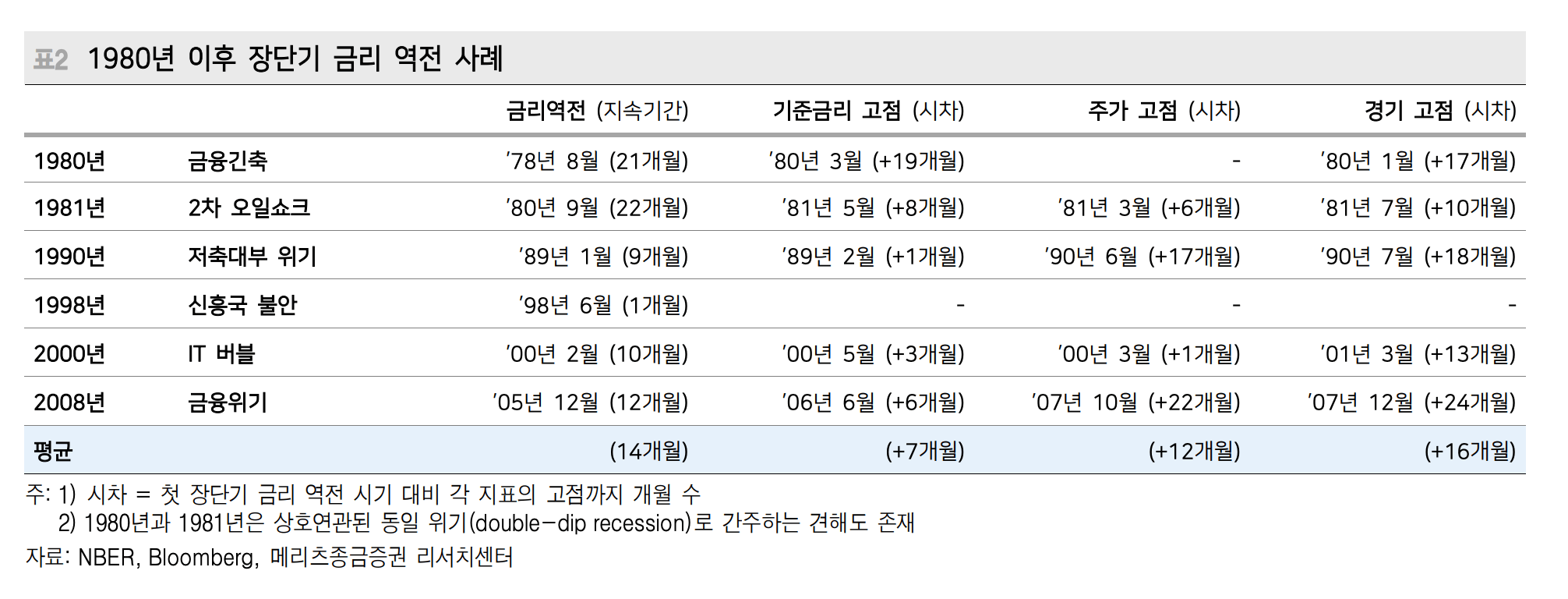
Long-Short Term Interest Rate Inversion
Among U.S. Treasuries, the phenomenon where the 2-year yield pays more interest than the 10-year yield (= a decline in price).
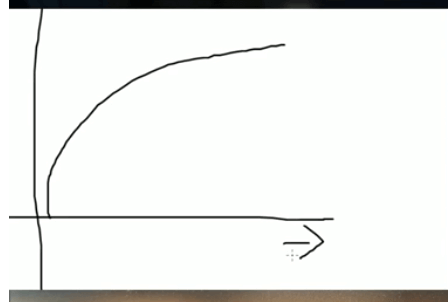
Naturally, the 10-year yield should pay more than the 2-year yield.
But occasionally, it becomes inverted.
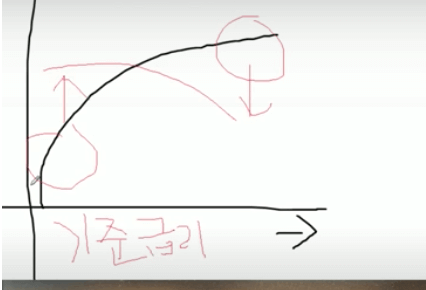
- When the front-end yield rises (= a rise in the government repo rate)
- When the back-end yield falls (= expecting future growth to be poor, i.e., viewing inflation as X) — generally when there are doubts about long-term growth
- Or when both happen at the same time
Why it happens
U.S. 2-year Treasuries are controlled by the Fed as a guide to the benchmark rate, so they don't change much. But U.S. 10-year Treasuries are traded in the market, and their yields fluctuate greatly according to supply and demand. If institutions expect an economic recession, demand for the U.S. 10-year starts to increase, bond prices rise, and yields fall.
Significance
As you can see from the FRED chart, past economic crises occurred with a lag of 11–34 months (average 21 months) after the long-short-term interest rate spread inverted. Therefore, an inverted long-short-term interest rate spread can be seen as having the meaning of a leading indicator for predicting an economic recession.
Why recessions come
The reason the economy alternates between boom and bust is credit and liquidity. Credit can be thought of simply as bank loans. When banks increase lending, liquidity becomes abundant, asset prices rise, and a boom occurs. Conversely, when banks reduce lending, liquidity shrinks, asset prices fall, and a recession arrives. (Recommended video below)
Deposit-Loan Margin Compression
Banks earn money from the difference between short-term bond (deposit) rates and long-term bond (loan) rates. This is called the deposit-loan margin. But when the deposit-loan margin is reversed, they reduce lending. Therefore, when the long-short-term interest rate inversion occurs, lending (credit) decreases, liquidity decreases, asset prices (stocks, real estate) fall, and a recession ensues.
https://fred.stlouisfed.org/series/T10Y2Y
Topics: <% tp.file.cursor(3) %>
Category: Wiki/Economy
Link:: <% tp.file.cursor(4) %>