Why Landlocked Countries Are Destined to Be Poor
Countries without sea => 44 countries
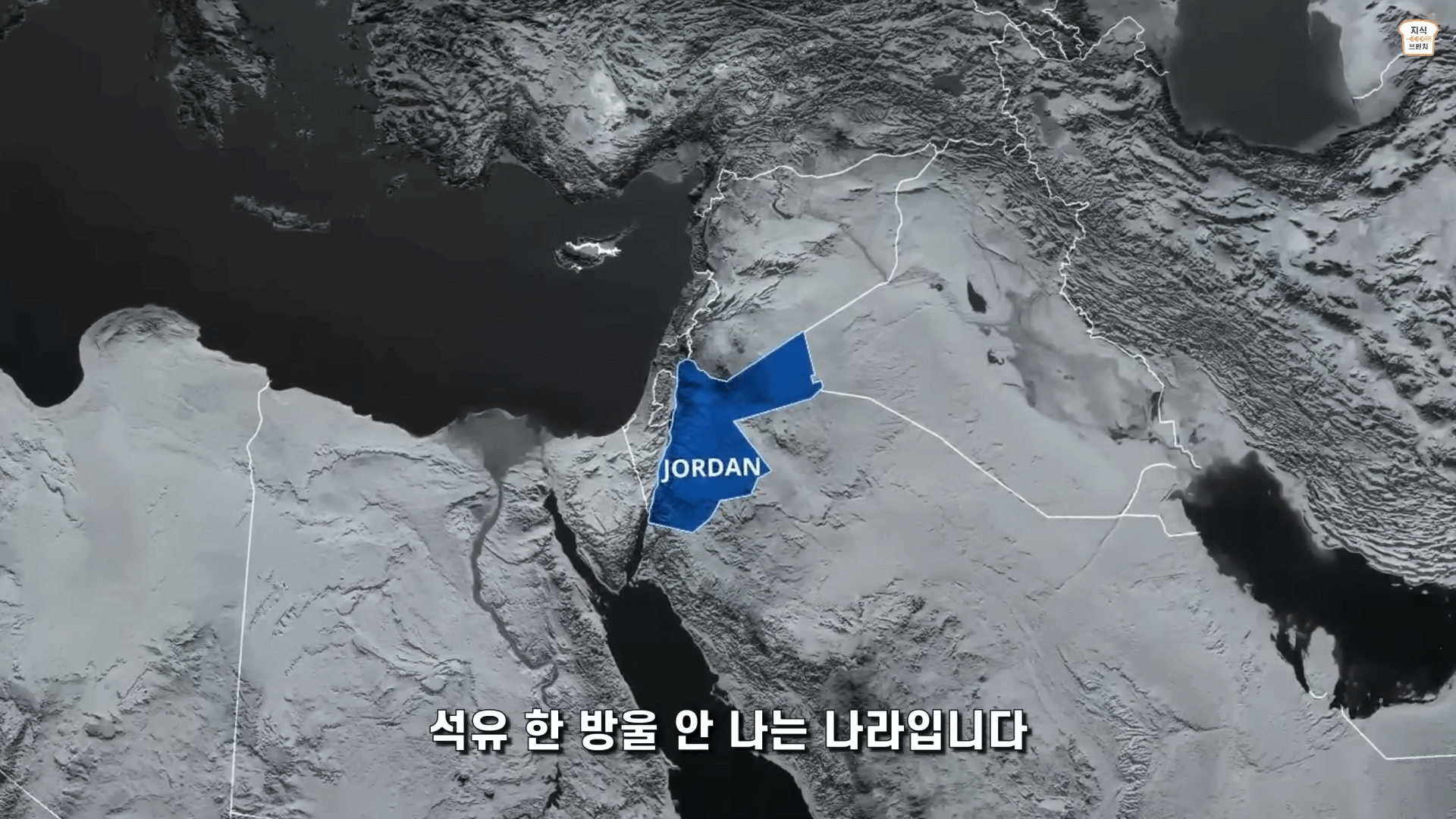
Jordan, which became independent as a landlocked country, pursued a territorial exchange with its neighbor Saudi Arabia
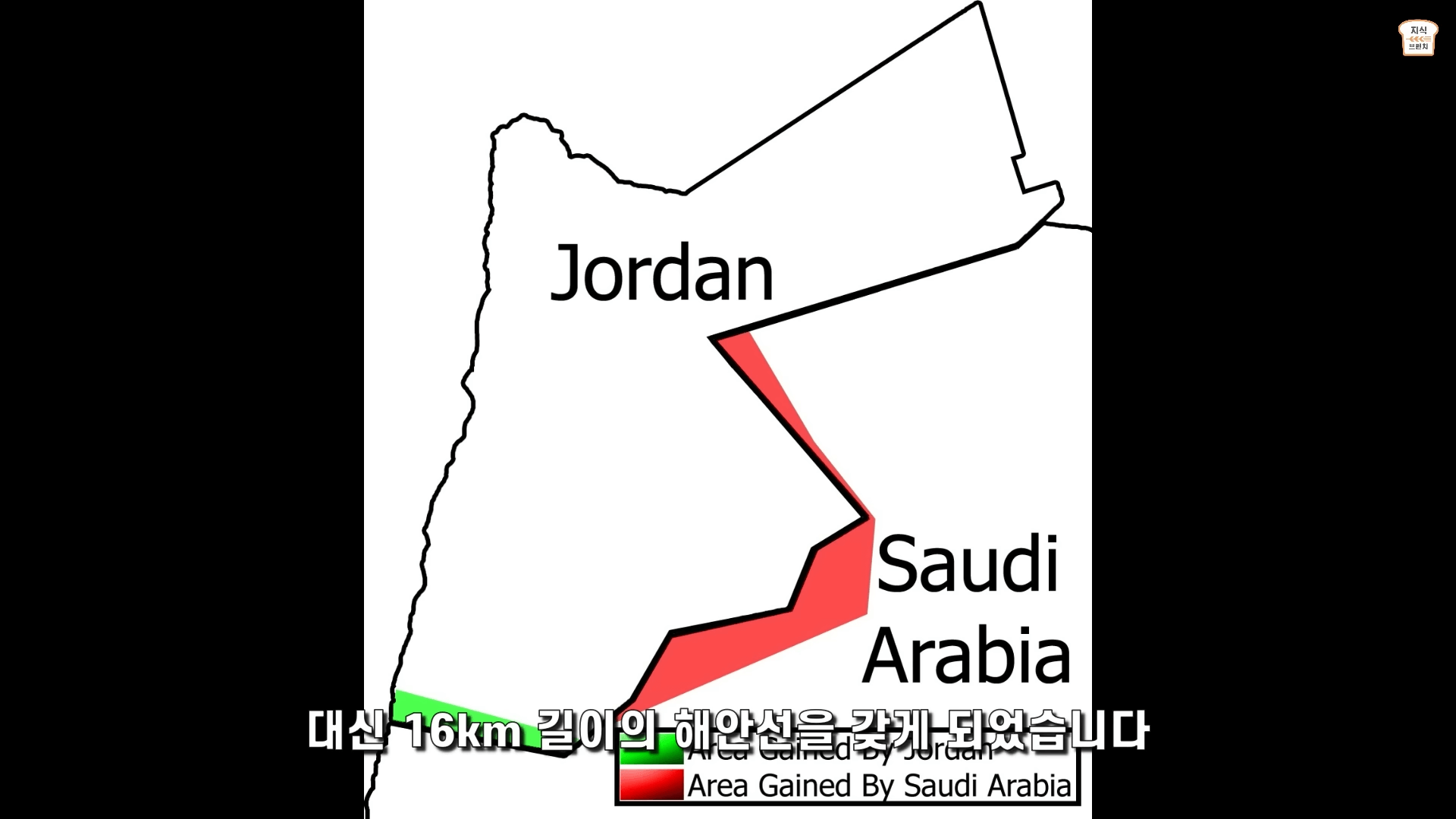
It gave up an area ten times the size of Seoul and gained a 16km coastline. The city developed that way was Aqaba
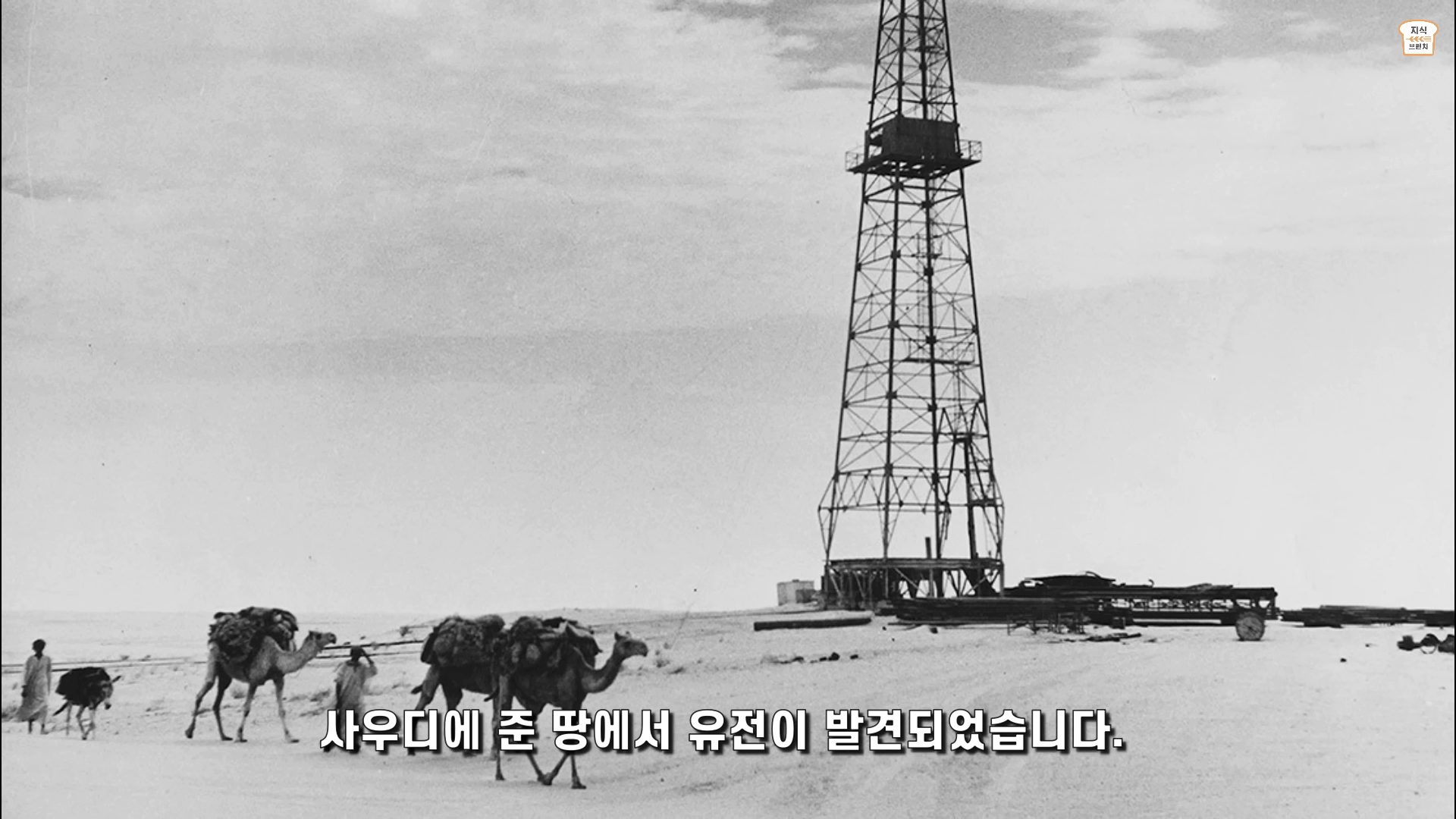
Even though oil fields were discovered on the land given to Saudi Arabia, Jordan still praises that decision
For a landlocked country, the sea is more important than oil
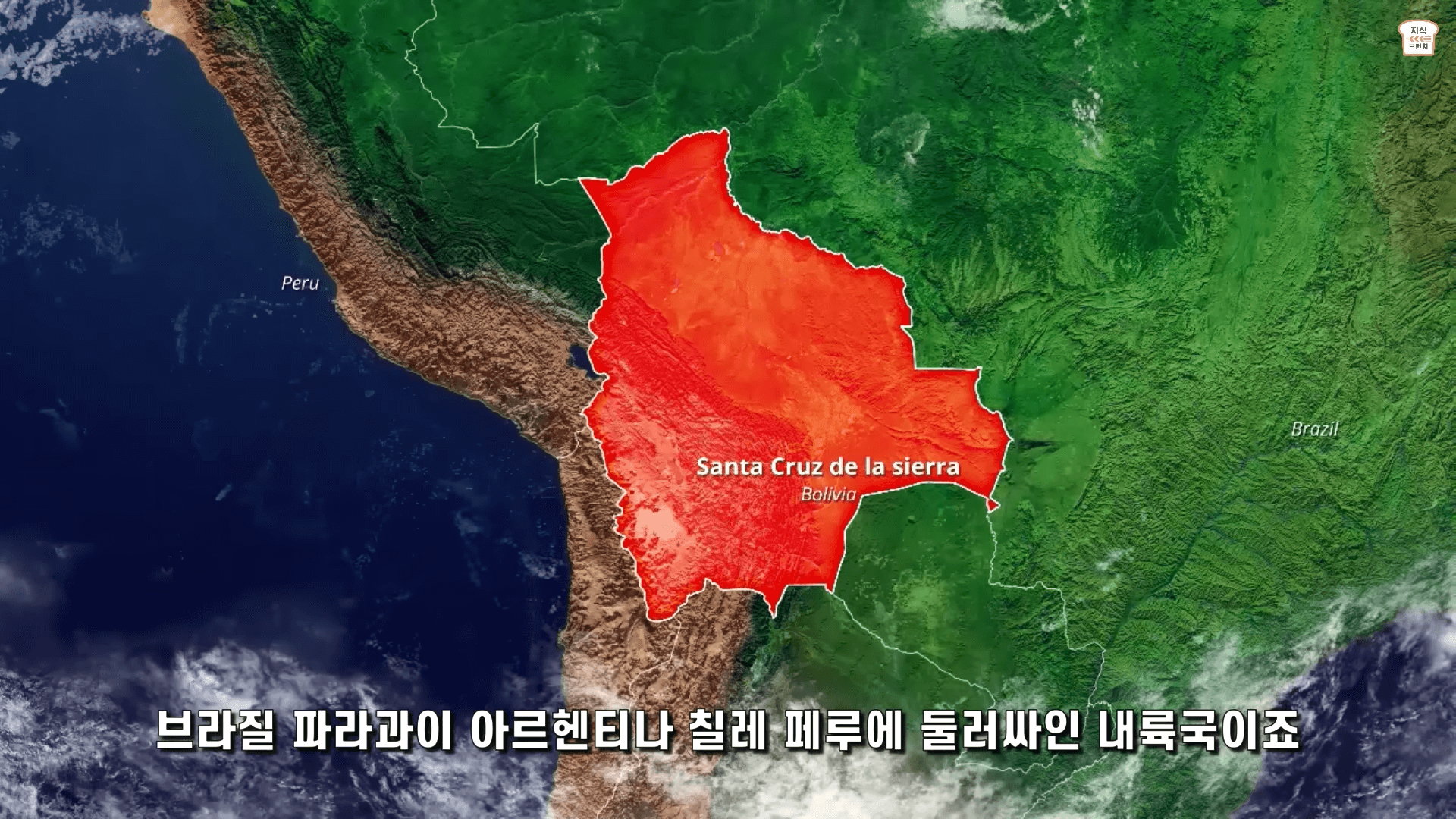
Bolivia, which lost the war with Chile, lost its sea and has now become the poorest country in South America
Every country achieves economic development through trade. Shipping accounts for over 90% of international trade. This is because logistics costs are that cheap; there is not much difference between the cost of moving from Seoul to Busan and the cost of shipping from Korea to the United States.
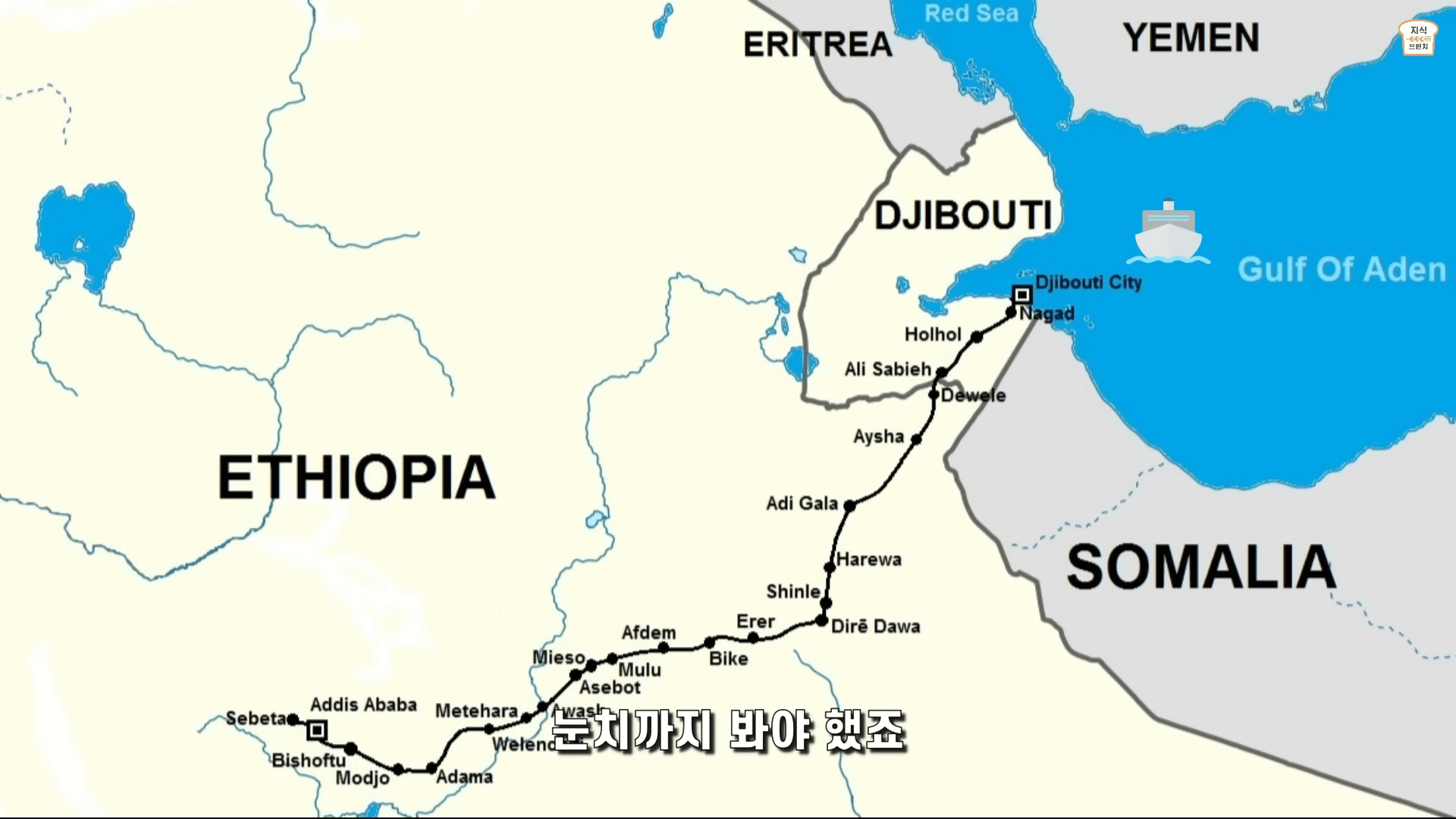
Ethiopia spends 2 trillion won a year using a neighboring country's port
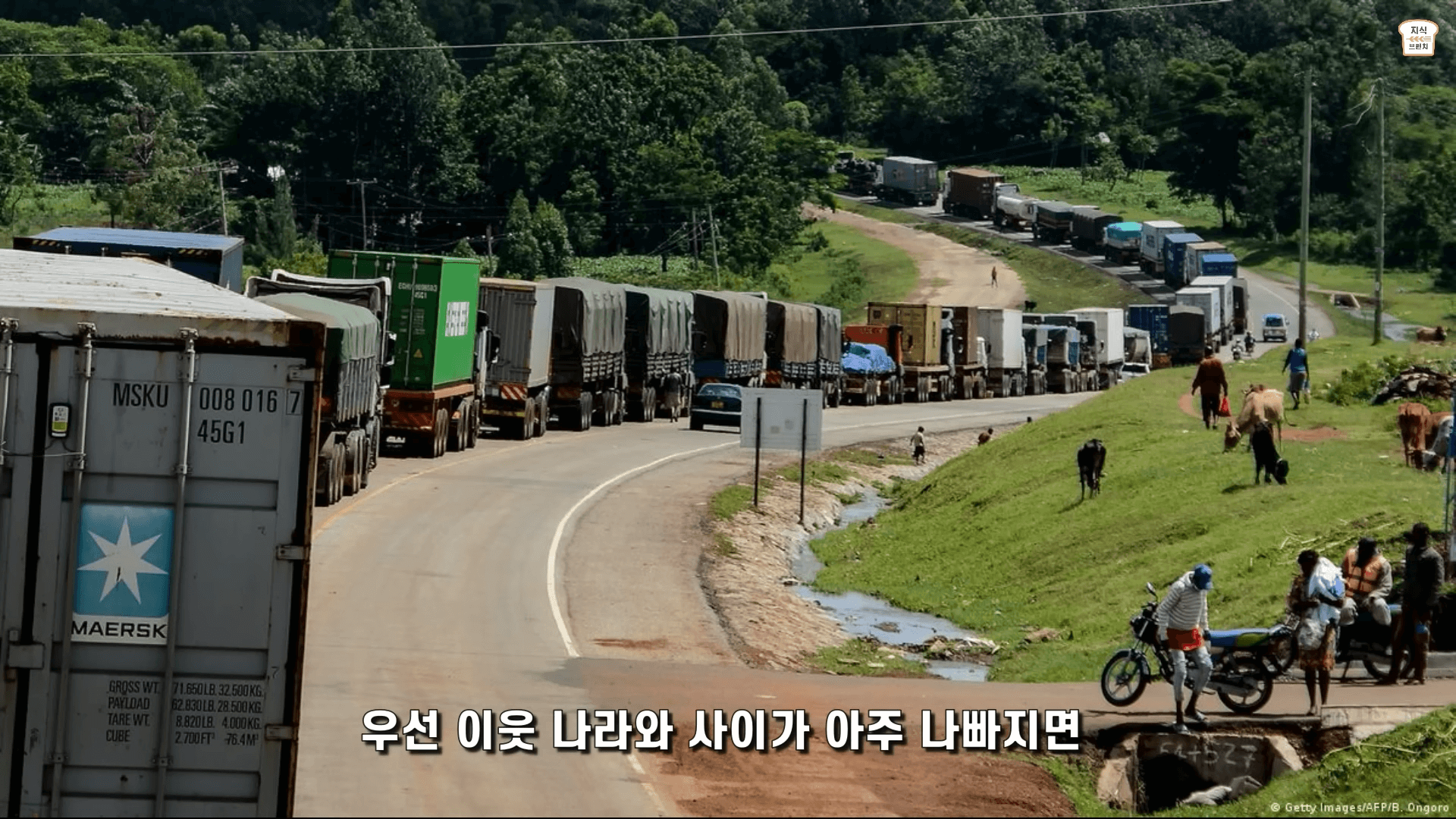
If you have sea access, a single customs declaration at the port is enough, but landlocked Central Asian countries have to cross several borders and usually go through three customs procedures. The more such countries are, the worse the corruption and the more tolls they have to pay.
The costs for landlocked Central Asian countries are estimated to be more than three times higher than for countries with ports. A landlocked country's transport costs depend on the infrastructure of neighboring countries. In this respect, African countries have the hardest time.
Africa's logistics costs can rise up to seven times compared to coastal countries in severe cases. With transport costs increased, manufacturing is impossible. Because there is no price competitiveness. Therefore, they have no choice but to rely on primary exports.
Landlocked countries have about 30% less logistics than countries adjacent to the sea. Maritime countries can deliver energy via oil tankers or gas carriers, but landlocked countries must build oil or gas pipelines.
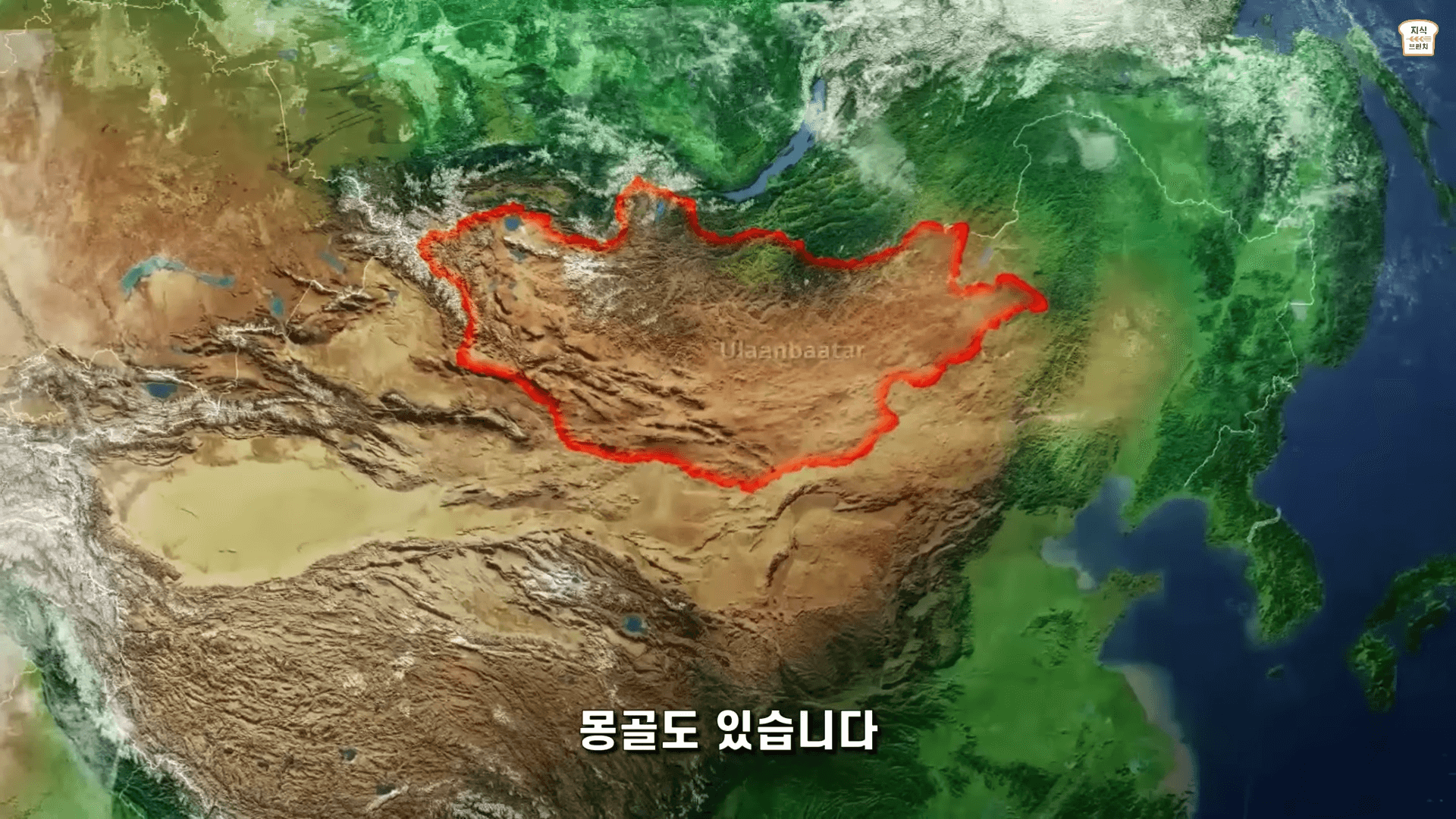
Mongolia, in particular, once suffered political retaliation when its ports were blockaded because it invited the Dalai Lama. This is a different level from a naval blockade, which cannot block the vast open sea.
Large-scale transport of troops and supplies is also impossible. Air forces, too, must get permission every time they pass through another country's airspace. These countries are also chronically water-scarce. In landlocked countries, rivers fail to form large waterways, making it difficult to transport goods, and without water, industries like steelmaking are hard to develop.
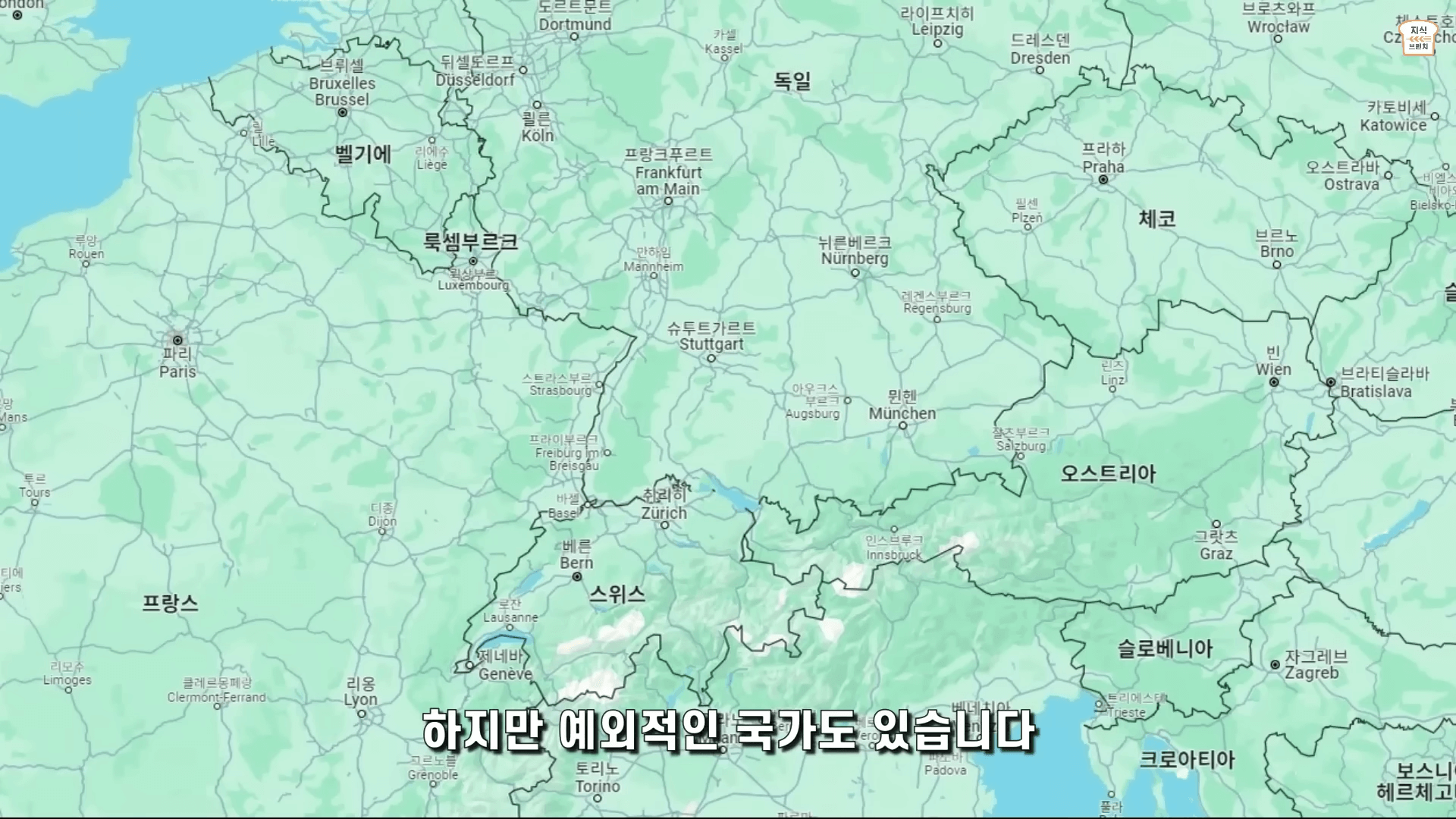
There are exceptions such as Austria, Luxembourg, Switzerland, and the Czech Republic. These countries are effectively in the same EU economic bloc. Geographically, ports are also close. They also have large rivers, so access to the sea is relatively easy.
Location Conditions for Ports
It is no coincidence that Egypt and Mesopotamia developed where sea and rivers are adjacent. A port where ships can safely dock is very important

They were able to become civilizations that left their mark on history even without large rivers, because the Mediterranean is virtually an inland sea surrounded by land, so on most days the waves are calm Greece,Roman Empire
If it weren't for the Mediterranean, it would have been difficult. In the past, ports were sometimes built deep inside rivers; London, Paris, and Hamburg were like that (because sea waves were strong)
But as ships grew larger, after the Industrial Revolution it became impossible to use them as ports anymore
Barriers That Block Waves
A port's role - protecting ships safely from waves; second, loading and unloading people or cargo from anchored ships smoothly and efficiently
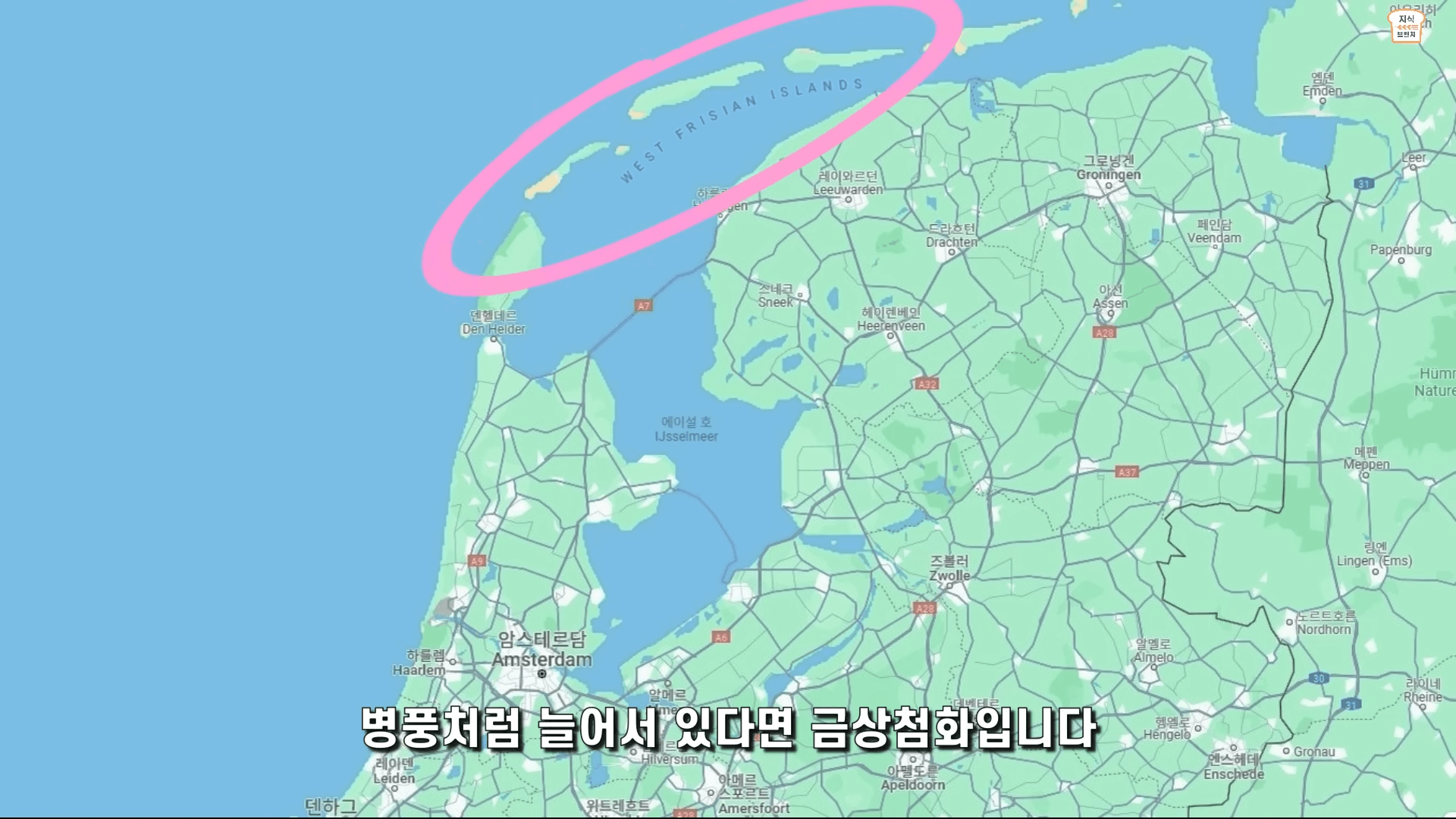
The first condition for a good port is having a barrier that blocks waves. Ships are especially vulnerable to waves when anchored, so ports are located in terrain that is deeply tucked into a bay
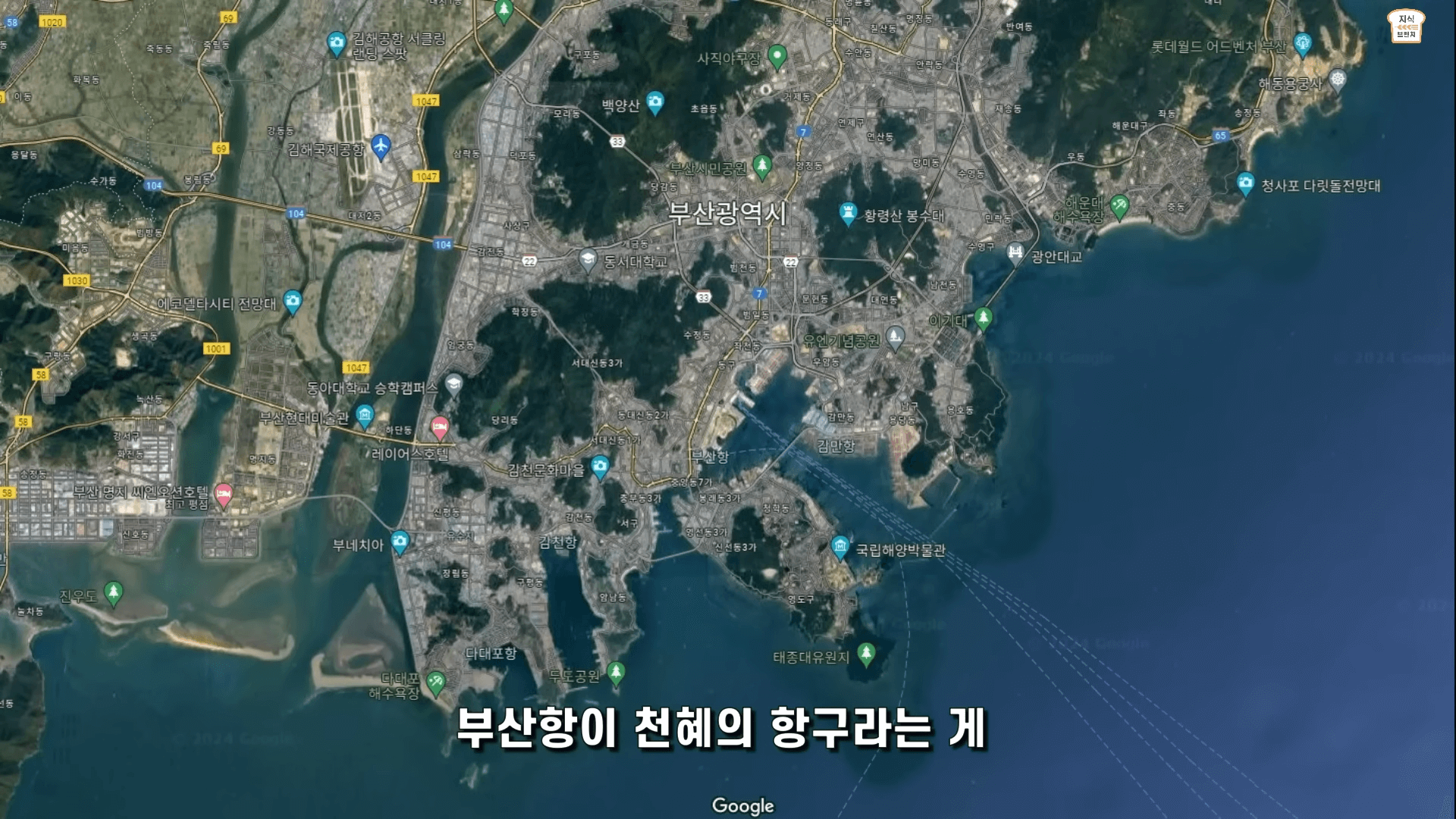
Busan Port also has this condition. If there is no barrier, a breakwater must be built separately
Appropriate Water Depth
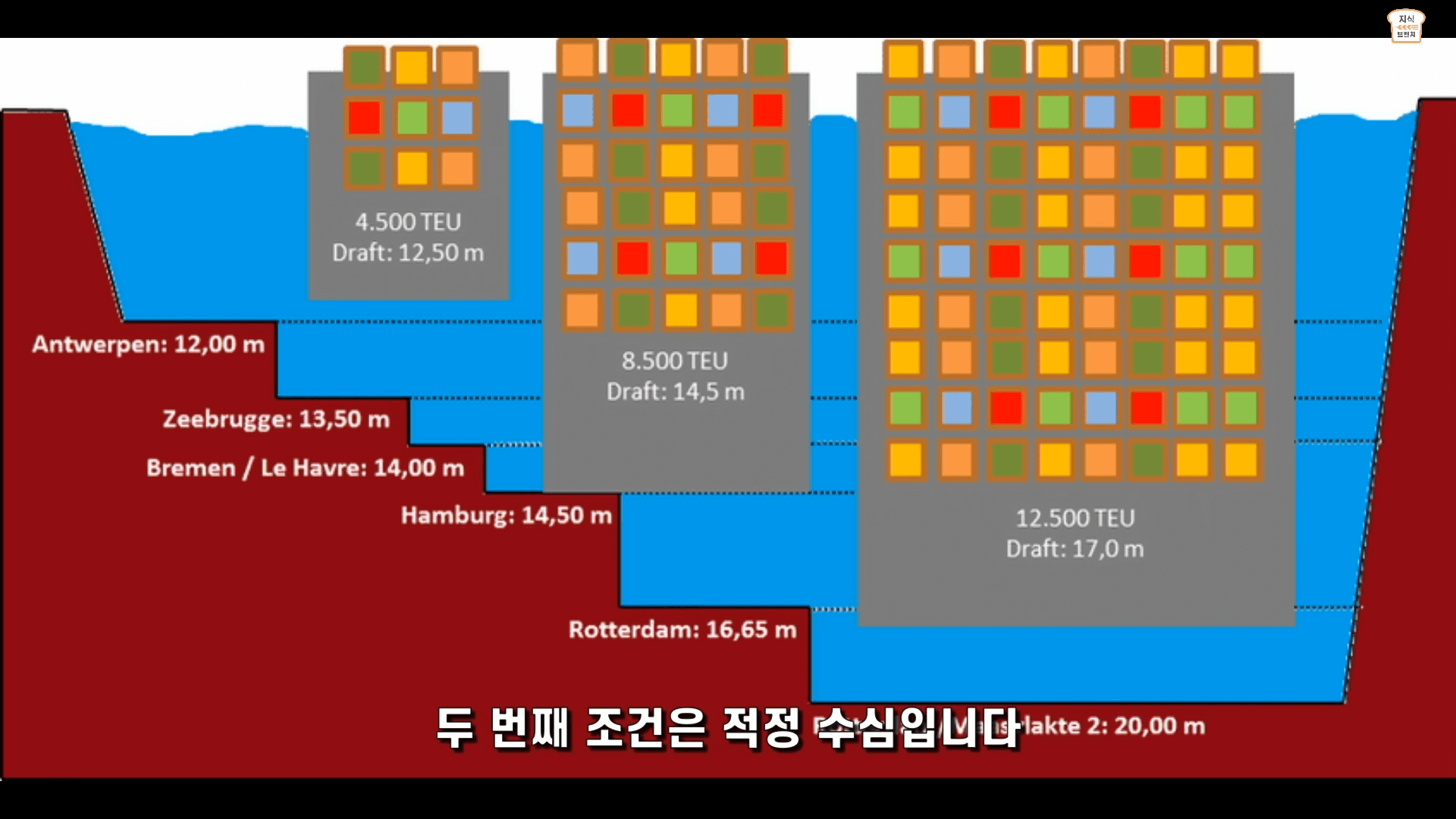
Too deep is also not good because dock construction costs increase. A large tidal range is not good either
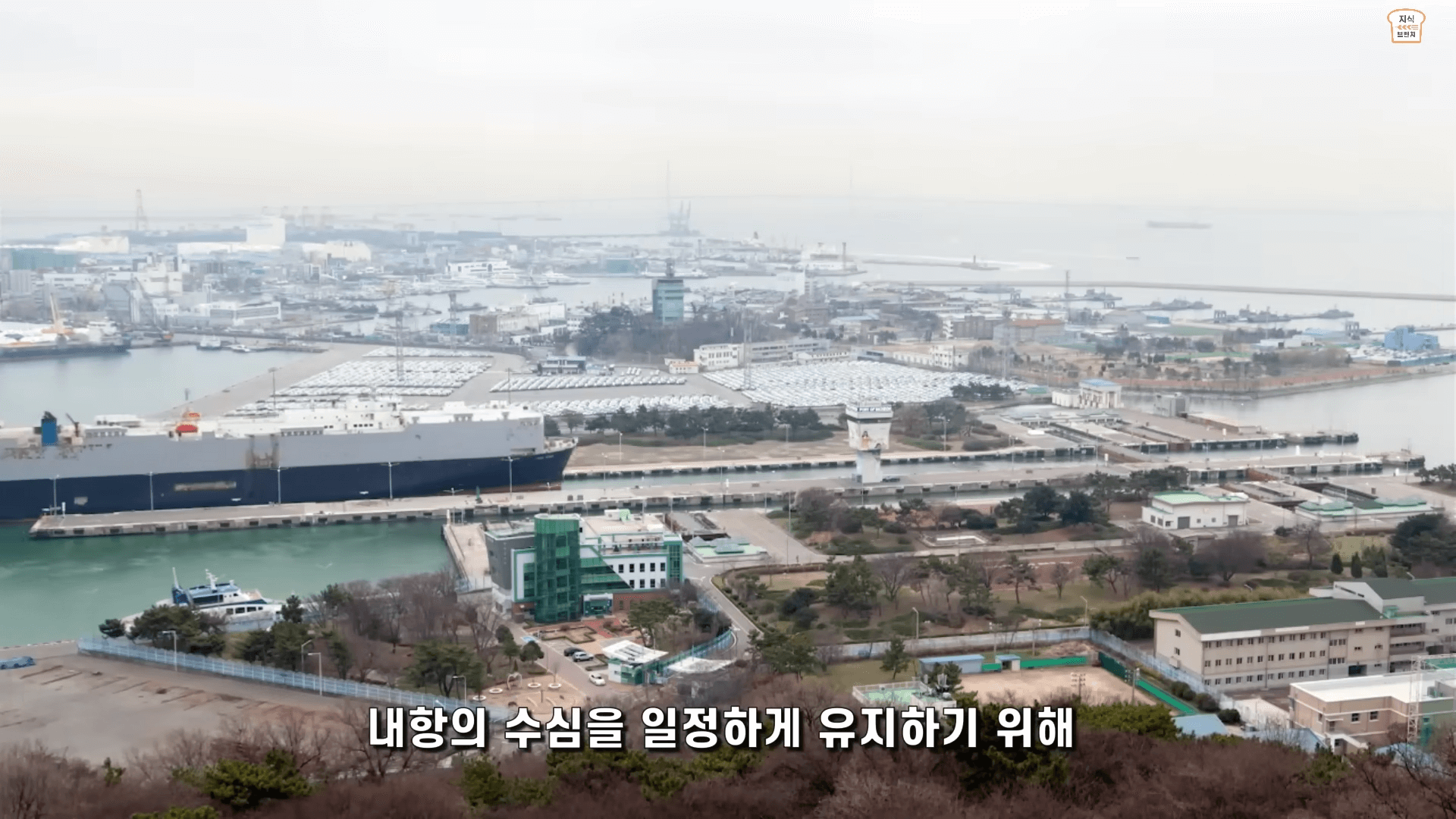
Incheon Port is not a port with good entrance conditions; it has to use a lock-type dock
Good Weather
Logistics Complex
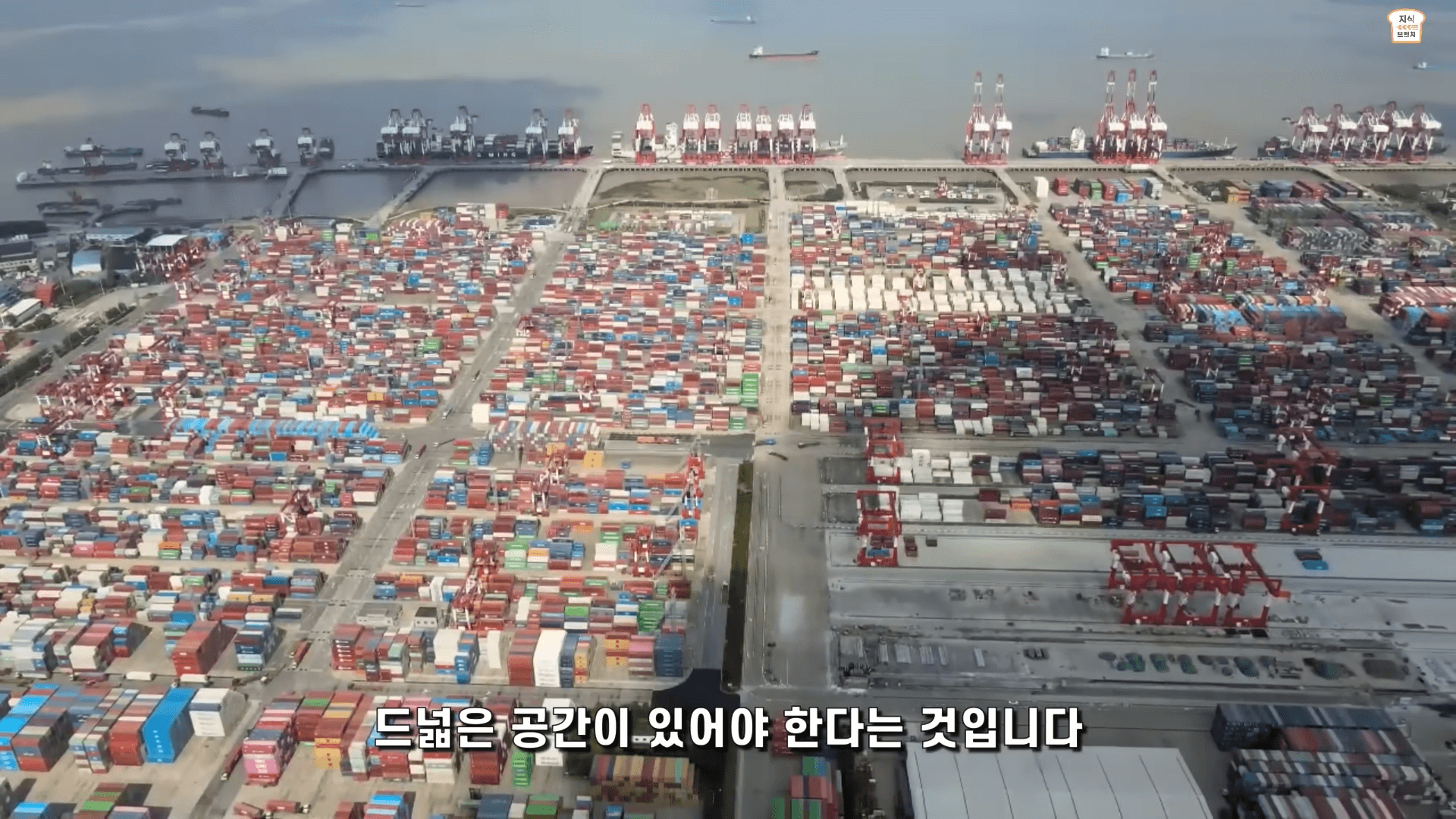
It needs hinterland space to store cargo for a long time
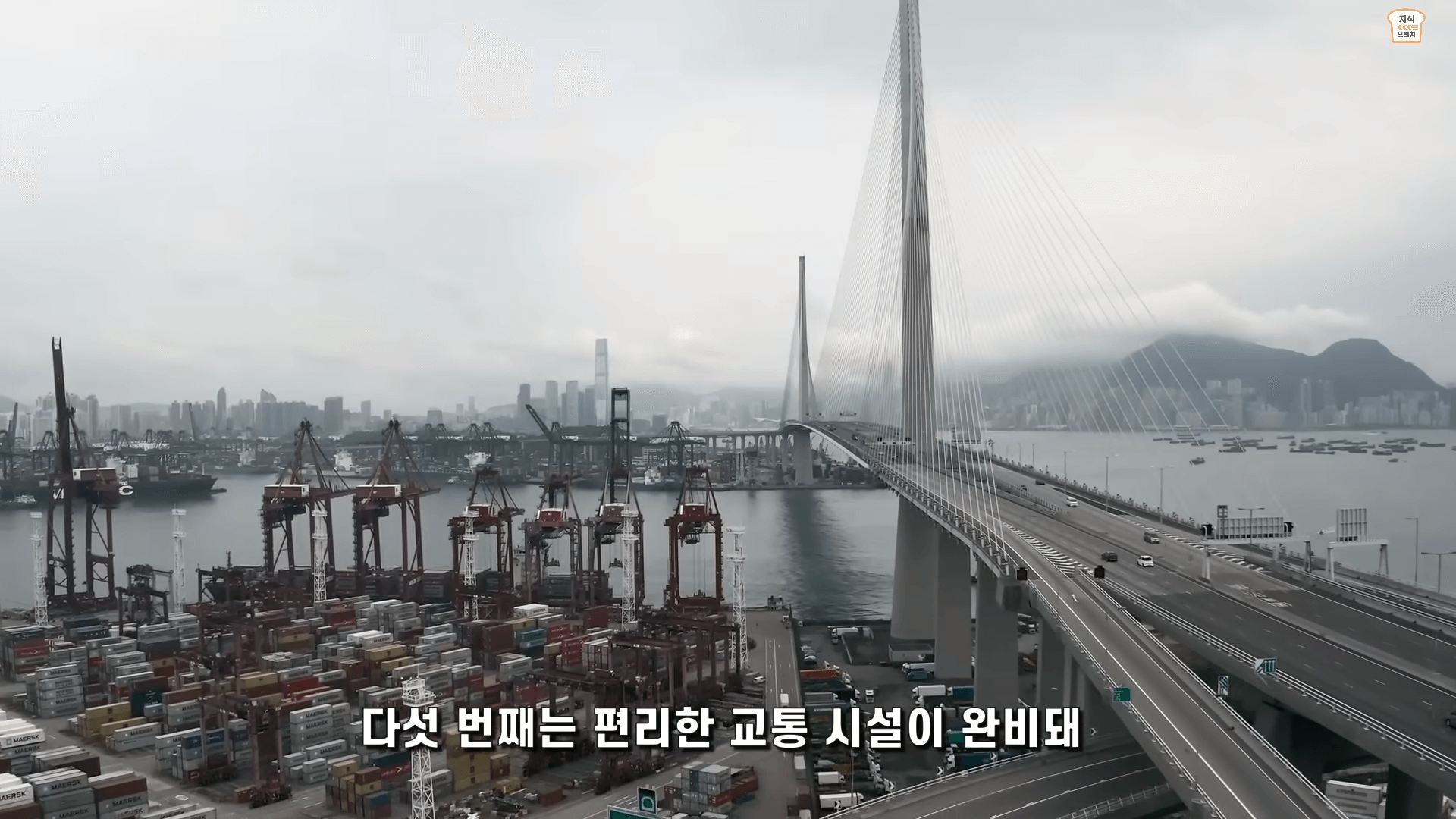
Therefore, the existence of a hinterland city is very important for modern ports. Having a city like Pohang or Ulsan as a hinterland can greatly reduce logistics costs. Ports face fierce competition like airports (= hub airports)
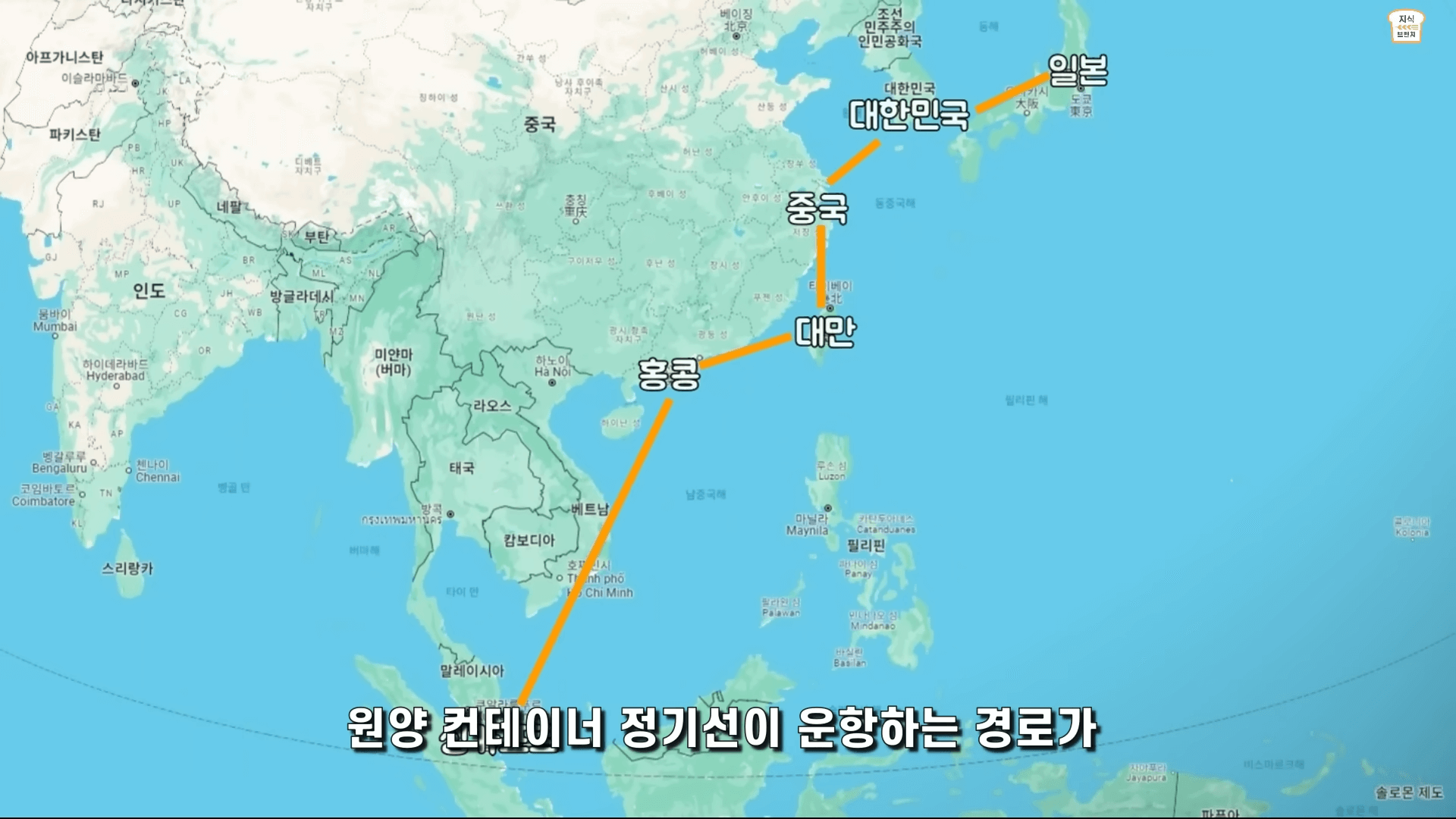
Ports, like airports, also need to be places where vast amounts of cargo gather and are sorted. Usually cargo is loaded at a hub port and then sent by liner service. To become such a port, it must be located near a sea route
Topics: Crude Oil,-e 자원의 저주
Source:
Category: Scrap/Video