Necromancy
Necromancy refers to mystical and magical practices that mainly use supernatural powers to communicate with the dead or deal with the power of death. This concept is found in ancient cultures, myths, and various religious traditions. Necromancy is generally regarded as a means of summoning the souls of the dead or gaining knowledge about the world after death.
Why It Was Popular in the 18th–19th Centuries
-
Religious and Philosophical Changes: This period was under the influence of the Enlightenment and Romanticism. The Enlightenment emphasized reason and rationalism, but alongside these ideas, Romanticism encouraged interest in mysticism, personal emotion, and the supernatural.
-
Scientific Discoveries and Turmoil: The 19th century saw significant discoveries in electricity, magnetism, and other natural phenomena. These discoveries gave people new perspectives on death, the soul, and human consciousness.
-
The Rise of Spiritualism: In the mid-19th century, the Spiritualism movement became highly popular. This movement claimed that communication with the dead was possible, and many people were fascinated by it.
-
Social and Personal Loss: The 19th century was a time of great personal loss due to wars, disease, and high mortality rates. Many people were drawn to practices like necromancy out of a desire to maintain a connection with loved ones.
-
The Influence of Literature and Art: The literature and art of this period often included mystical and gothic elements. These works stimulated the public's curiosity about death and the afterlife. Hehe
Ouija Board
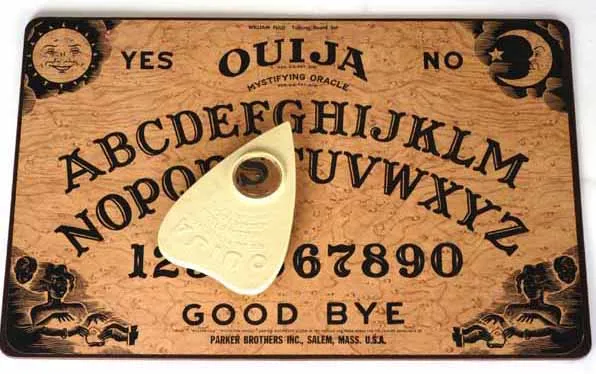
- In 1890, Elijah Bond and Washington Bowie founded a company and released it as a necromancy game item.
- In February 1891, it went on sale at toy stores and other shops for $1.50, and it was made of wood.
- Millions of Ouija boards were sold, making it a popular home game that sold more than Monopoly.
- In 1973, when a scene of Regan using a Ouija board was included in the film The Exorcist, it began to be perceived by the public as a tool of the devil.
Topics: Academic Disciplines,superstition
Category: Wiki/Term