EBITDA
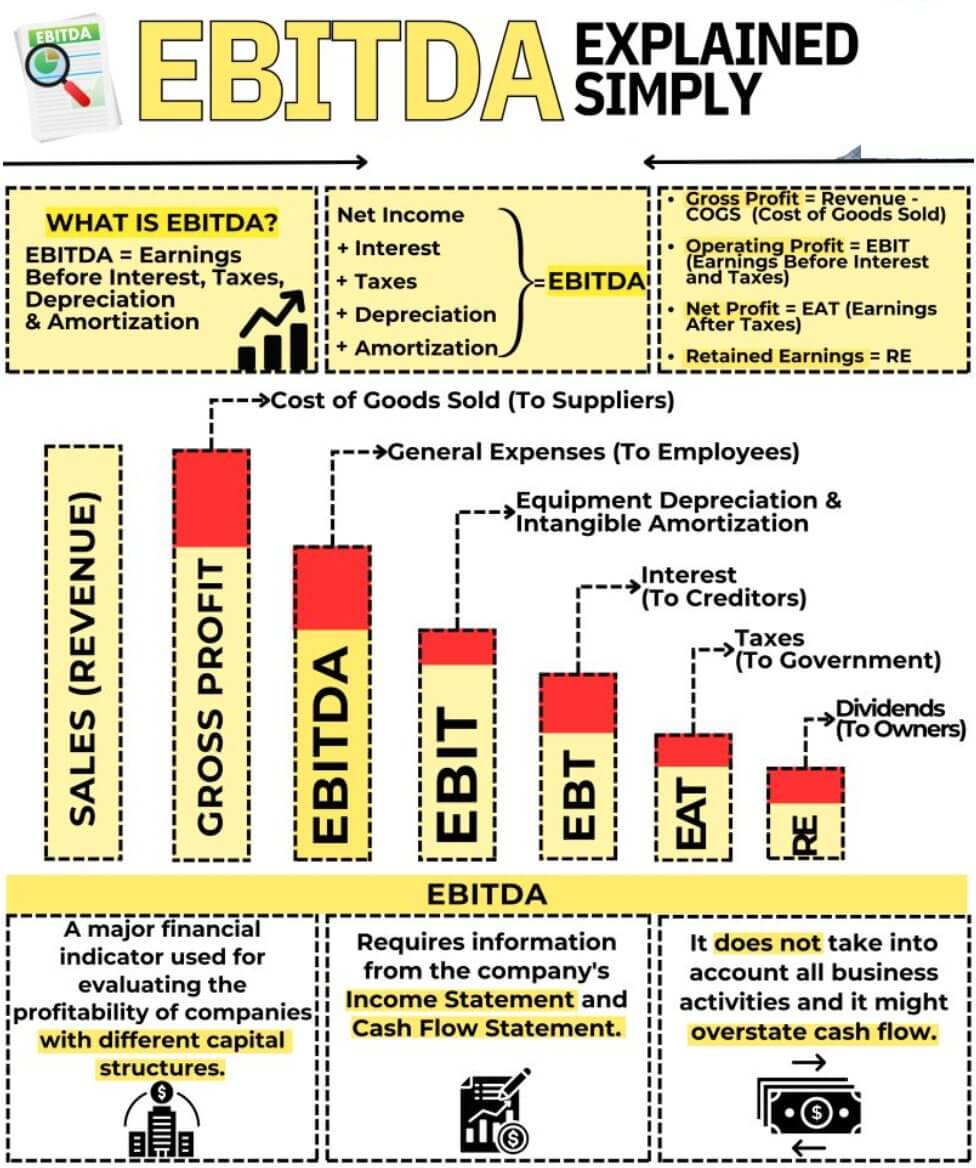
An abbreviation for Earnings Before Interest, Taxes, Depreciation and Amortization, meaning net income before deducting interest expenses, taxes, and depreciation and amortization. It is an income calculation method that excludes non-recurring and non-operating expenses from the net profit/loss in the income statement of the financial statements.
Adjusted EBITDA
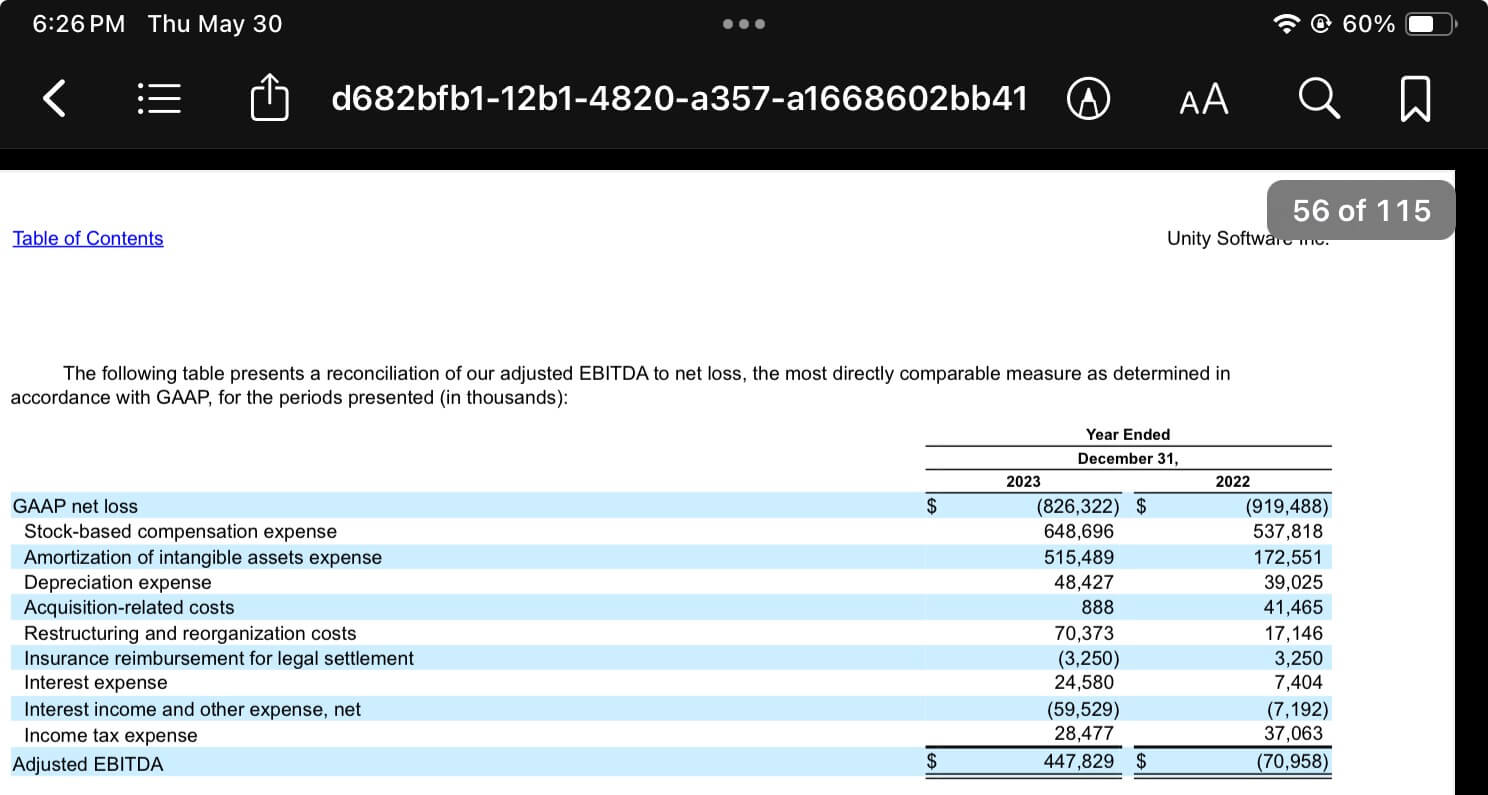
Adjusted EBITDA is income/loss separately adjusted by the company to remove, in addition to interest expenses, corporate tax, and depreciation and amortization, non-recurring income and expenses that are not used in the company's normal operations. It primarily eliminates items that do not occur periodically or occur only once, which would otherwise cause EBITDA to differ from the substance of the company's operating results. Since it is income/loss that includes only ordinary income and expenses, its purpose is to facilitate comparison with other companies in the same business.
Diagram
Issues
First of all, taxes and interest expenses have almost no reason to be considered when measuring a company's actual value. Depreciation is at least only an expense on the financial statements and involves no actual cash outflow, but taxes flow out in reality without exception under tax law, and interest expenses flow out as long as there is debt on which interest must be paid. The reason EBITDA touches taxes and interest expenses is that it was developed to compare the performance of legal entities across countries in multinational corporations. Corporate tax rates and capital structures differ from country to country.[4] It is an indicator designed to control these differences, but it is absurdly misused to examine an entire company.
In fact, there is a more serious problem. Although EBITDA is said to reveal actual cash-generating ability better than net income or operating income, in reality that is not at all the case. As can be seen from the formula for EBITDA, it is simply the income statement items (net income, interest expenses, taxes) plus only depreciation and amortization. The problem is that it completely excludes 'operating cash flow', another item that determines a company's actual cash-generating ability.
Topics: Balance Sheet
Category: Wiki/Economy